


24 August 2026: Articles 
Refractory Hyperammonemic Encephalopathy as a Paraneoplastic Presentation of Fibrolamellar Hepatocellular Carcinoma: A Case Report
Management of emergency care, Rare disease
Ritwik Dey ABDEF 1*, Harshitha Popuri ABDEF 1, Virali Gulla BDEF 1, Yagnapriya Chirrareddy EF 1, Satyapriya Paritala EF 1, Daniel Bustamante ABDE 2, Javier Corral ABDEF 3
DOI: 10.12659/AJCR.952819
Am J Case Rep 2026; 27:e952819


Abstract
BACKGROUND: Fibrolamellar hepatocellular carcinoma (FLHCC) is a rare liver malignancy affecting adolescents and young adults without underlying liver disease. Hyperammonemic encephalopathy (HAE) is an uncommon but severe complication in advanced FLHCC, resulting from progressive hepatic dysfunction or tumor-related metabolic derangements. Early recognition is essential to prevent neurologic decline and improve outcomes.
CASE REPORT: A 24-year-old man with metastatic FLHCC presented with worsening confusion for 1 month. His prior treatments included transarterial radioembolization, multiple resection surgeries, and multiple chemotherapies. On examination, he was oriented only to self and had asterixis. Laboratory evaluation showed severe hyperammonemia (251 µmol/L), suggesting HAE. MRI brain was unremarkable, and EEG showed moderate encephalopathy. Plasma amino acid analysis showed marked depletion of urea cycle intermediates (citrulline, arginine, ornithine) with low alanine and glutamine, and elevated urinary orotic acid, which suggests impaired ornithine transcarbamylase activity and an acquired urea cycle disorder. Treatment was initiated with rifaximin and lactulose initially, followed by ammonia scavenger therapy of sodium benzoate–sodium phenylacetate. Despite this treatment, ammonia levels remained elevated, prompting hemodialysis and continuous renal replacement therapy. However, he continued to deteriorate and eventually died of his illness.
CONCLUSIONS: HAE is a rare paraneoplastic manifestation of FLHCC. Conventional therapies for cirrhosis-related encephalopathy, such as lactulose and rifaximin, are often ineffective. Management instead relies on ammonia-scavenging agents and arginine supplementation, with renal replacement therapies reserved for refractory cases. Outcomes remain poor when encephalopathy persists despite dialysis, underscoring the need for multidisciplinary management and early integration of palliative care.
Keywords: Fibrolamellar Hepatocellular Carcinoma, hyperammonemia, Hyperammonemic Encephalopathy, Paraneoplastic Syndromes, Urea Cycle Disorders
Introduction
Fibrolamellar hepatocellular carcinoma (FLHCC) is a rare, distinct variant of hepatocellular carcinoma (HCC). It represents 5% of all HCCs, with an age-adjusted incidence rate of 0.02 per 100 000 individuals [1,2]. It was first described by Edmondson in 1956, who studied an adult-type liver tumor in a 14-year-old adolescent girl without any preexisting liver disease [3]. However, it was not until 1980 that the term FLHCC was coined by Craig et al, who described the clinical and pathological features of FLHCC in a series of 23 patients [4]. Furthermore, the World Health Organization (WHO) Classification of Tumors recognized this variant of HCC as a distinct entity and designated a WHO classification number as recently as 2010 [5].
FLHCC is distinct from HCC in that it primarily affects adolescents and young adults between 10 and 35 years of age without underlying chronic liver disease like viral hepatitis, fibrosis, or cirrhosis; in comparison, the average age at presentation in patients with HCC is 65 years [1,2,6]. FLHCC patients are more likely to be females (51.5% versus 26.3%) and White (85.3% versus 56.9%) compared with HCC patients.[2] The clinical presentation of FLHCC is variable and can include abdominal pain, pain at sites of metastasis, a palpable abdominal mass, or abdominal distention due to ascites [7]. In rare cases, FLHCC patients presents with altered mental status due to hyperammonemic encephalopathy (HAE) and acquired urea cycle defect.
Honeyman et al first described a distinct pathogenic mechanism of recurrent DNAJB1–PRKACA fusion transcripts arising from a ~ 400-kilobase deletion on chromosome 19 in FLHCC, which differentiates it from conventional HCC and cholangiocarcinoma [8]. This fusion transcript produces an active chimeric kinase that drives the growth of tumor cells. On histopathology, FLHCC is characterized by large polygonal neoplastic hepatocytes with abundant eosinophilic cytoplasm due to numerous mitochondria, prominent nuclei, and strands of collagen fibers arranged in a lamellar fashion [9].
Localized FLHCC is potentially curable with surgical resection, with a 5-year overall survival estimated at 52% to 62% after surgery [10]. However, in cases of unresectable, metastatic, or recurrent disease, treatment options are limited and largely anecdotal due to the rarity of the tumor. Chemotherapeutic agents such as fluoropyrimidines, doxorubicin, cisplatin, oxaliplatin, gemcitabine, and irinotecan have shown limited efficacy in the treatment of FLHCC. Prognosis in case of advanced disease is poor, with a 5-year overall survival of less than 10% to 20% [7].
In this study, we report a unique presentation of FLHCC with paraneoplastic HAE that was refractory to treatment with ammonia-scavenging medications and hemodialysis.
Case Report
A 24-year-old man with a past medical history of metastatic FLHCC (with intra-abdominal and intrathoracic metastases) presented to our facility with worsening confusion for 1 month. He concurrently endorsed a significant unintentional weight loss of 14 kg over 5 months. His past medical history included a diagnosis of FLHCC at 17 years of age, with liver mass biopsy showing large pleomorphic neoplastic polygonal cells with abundant eosinophilic cytoplasm, nuclear inclusions, prominent nucleoli arranged in nests and sheets, and collagenous fibrous bands, which is diagnostic of the fibrolamellar variant of hepatocellular carcinoma (Figure 1). Fluorescence in situ hybridization for PRKACA rearrangement was positive, showing a rearrangement involving the PRKACA gene region (at 19p13.2) with loss of the 5′PRKACA probe and retention of the 3′PRKACA probe, correlating with the DNAJB1-PRKACA fusion event classically associated with fibrolamellar carcinoma. At the time of diagnosis, the patient’s tumor was deemed unresectable. Hence, he was treated with 2 sessions of trans arterial radioembolization with Yttrium-90 in the left hepatic artery, Nivolumab (discontinued due to tumor progression), and cabozantinib before he underwent partial hepatectomy of the left lobe of the liver. Afterward, despite treatment, his cancer continued to progress with metastasis to the thoracic and intrabdominal lymph nodes, lung parenchyma, pancreas, spleen, and omentum. He received multiple salvage debulking surgeries. He was also treated with lenvatinib (held due to rash), regorafenib (held due to adverse effects), 4 cycles of the GEMOX regimen (gemcitabine and oxaliplatin), 2 cycles of pembrolizumab and ipilimumab (discontinued due to suspected grade IV autoimmune hepatitis), capecitabine, and radiation therapy to the abdominal lymph nodes and lung. He had a family history of breast cancer in his maternal grandmother. He denied any history of tobacco use, alcohol use, or recreational drug use. At presentation, he was afebrile, normotensive (blood pressure 124/73 mm Hg), and tachycardic (heart rate 133/min), with a normal respiratory rate and an appropriate oxygen saturation on ambient air. On physical examination, he was cachectic, had a percutaneous gastrostomy tube, was oriented only to person, and demonstrated asterixis (grade 2 encephalopathy). The remainder of the physical examination, including the neurological examination, was normal despite the limitations imposed by his altered mental status. Laboratory parameters at admission are shown in Table 1. On admission, his liver disease severity was classified as Child–Pugh Class B (score 7 points) with a MELD-Na score of 12 points.
The patient’s serum ammonia level at presentation was 271 μmol/L. A computed tomography (CT) scan and magnetic resonance imaging (MRI) of the brain were normal. CT angiography of the chest and CT of the abdomen with intravenous contrast showed extensive metastatic disease, including large, bulky masses throughout the chest, mediastinum and chest wall, a large cardiac mass in the right ventricle, several intraperitoneal tumors, liver lesions and pelvic lesions, and a deep venous thrombosis in the right common femoral vein (Figure 2). The electroencephalogram showed diffuse background slowing, consisting of delta waves with an admixture of theta frequency, suggesting a moderate degree of encephalopathy. The patient’s plasma amino acids (Table 2) revealed low citrulline (2 μmol/L, normal: 16–51 μmol/L), low arginine (17 μmol/L, normal: 43–107 μmol/L), low ornithine (< 1 μmol/L, normal: 27–83 μmol/L), low alanine (174 μmol/L, normal: 200–483 μmol/L), and low glutamine (299 μmol/L, normal: 428–747 μmol/L) levels. His urinary orotic acid was elevated (9 mmol/mol, normal range, 0–2 mmol/mol of creatinine). This suggested a urea cycle disorder with impaired activity of the enzyme, ornithine transcarbamylase (OTC). OTC gene analysis and testing for enzymatic OTC activity was deferred due to logistical reasons.
Gastroenterology was consulted, and the patient was continued on lactulose and rifaximin 550 mg twice daily, with a target of 3 bowel movements per day. He was also started on nitrogen scavenger, sodium benzoate, and sodium phenylacetate (55 g/m2) for 3 days to replenish urea cycle substrates. A high-calorie, low-protein diet was initiated. Due to a lack of improvement in serum ammonia level (251 μmol/L) with these treatments, Nephrology was consulted, and the patient was started on intermittent hemodialysis. Serum ammonia level (226 μmol/L) showed only mild reduction even after 5 sessions of intermittent hemodialysis. Hence, he was started on continuous renal replacement therapy (CRRT) with 2 consecutive days of 6-hour hemodialysis treatments. Still, serum ammonia levels remained refractory to treatment, and he continued to show signs of encephalopathy. Repeat treatment with sodium benzoate, sodium phenylacetate, and arginine (4 g/m2, total of 7 g) was administered for 3 days, followed by 4 consecutive sessions of intermittent hemodialysis without any significant improvement in serum ammonia level. His mental status showed progressive decline, and he required intubation for airway protection. Repeat CT scan and MRI of the brain without contrast were unremarkable. Given his continued clinical deterioration and persistent elevation of serum ammonia level (Figure 3) despite all treatment, the Palliative team was consulted for goals of care transition to comfort care, and he died of his illness.
Discussion
Ammonia produced from protein metabolism is converted into urea by the liver through the urea cycle and excreted by the kidneys from the body. Failure of this physiologic pathway results in the accumulation of ammonia in the blood which crosses the blood-brain barrier and acts as a neurotoxin in the brain. This causes hyperammonemic encephalopathy (HAE). HAE presents as a spectrum of clinical manifestations of varying severity, including sleep-wake cycle changes, irritability, confusion, seizures, coma, and even death [11]. HAE is commonly seen in advanced liver failure, but it can also present as a rare, life-threatening complication of cancer or its associated treatment. Other rare causes of HAE include inherited metabolic defects of the urea cycle and organic acidemias [12]. HAE has been associated with malignancies like multiple myeloma, hepatocellular carcinoma, and following chemotherapy for hematologic malignancies and bone marrow transplantation [12–14]. However, HAE is an extremely rare paraneoplastic presentation of FLHCC, with only 18 cases described to date; we report the 19th case (Table 3) [15]. Various mechanisms have been proposed to explain the occurrence of HAE in FLHCC patients: (1) Excess nitrogen load production from increased tumor cell breakdown after chemotherapy; (2) A portosystemic or intrahepatic shunt; (3) Decreased expression of the Ornithine transcarbamylase (OTC) gene and enzyme by tumor cells, which is necessary for conversion of ammonia to urea; and (4) Excess consumption of arginine by the proliferating tumor cells, resulting in a deficiency of ornithine and decreased substrate availability to be used by the OTC enzyme in the urea cycle [1,6]. Different chemotherapeutic agents, including gemcitabine, oxaliplatin, and regorafenib, have been described to cause HAE, but our patient had not received any recent chemotherapy treatment to precipitate HAE [1,16]. Imaging of the abdomen was also not suggestive of any portosystemic shunt to explain the persistent hyperammonemia. The metabolic laboratory analysis, showing low plasma citrulline and arginine and elevated urine orotic acid, was highly suggestive of an acquired urea cycle enzymatic defect with OTC deficiency. We did not have the scope for molecular testing of the OTC gene, and a liver biopsy was not clinically indicated to assess OTC enzymatic activity. The likely explanation for this paraneoplastic phenomenon lies in its pathognomonic molecular hallmark: a DNAJB1-PRKACA fusion, seen in 80% of FLHCC patients, as seen in our patient [6]. This chimeric protein increases aurora kinase expression in tumor cells, thereby upregulating c-Myc transcription. c-Myc, in turn, leads to the overexpression of many genes involved in the carcinogenesis of FLHCC, including that of ornithine decarboxylase (ODC). ODC decarboxylates ornithine to participate in polyamine synthesis, which is essential for cellular growth. This imbalance between OTC and ODC leads to ornithine consumption and urea cycle disruption, resulting in hyperammonemia and encephalopathy [17]. Additionally, ammonia homeostasis is disrupted by upregulation of ammonia-generating enzymes, such as glutaminase (GLS), which generates ammonia from glutamine, and causes concurrent downregulation of ammonia-detoxifying pathways, including OTC and glutamine synthetase (GS) [18]. This creates a net positive generation of ammonia by the tumor itself, which overwhelms the hepatic function of the residual non-cirrhotic liver in FLHCC patients, causing paraneoplastic HAE. This metabolic rewiring of the tumor, characterized by glutamine dependence and creation of a nutrient-depleted tumor immune microenvironment rich in immunosuppressive metabolites (eg, ammonia, acidosis), prevents an effective antitumor immune response.
In conventional HCC, the key urea cycle enzyme carbamoyl phosphate synthetase 1 (CPS1), which detoxifies ammonia in the liver, is depleted through hypermethylation of its promoter, resulting in accumulation of ammonia [19]. c-Myc overexpression is seen in up to 70% of viral and alcohol-related conventional HCC [20]. CPS1 deficiency also stabilizes the c-Myc protein by inhibiting the ubiquitin-proteasome system and preventing its degradation [19]. This c-Myc upregulates glutamine synthetase (GS), unlike in FLHCC, which consumes ammonia by converting glutamate into glutamine, which participates in nucleotide synthesis and amino acid transport, essential for the proliferation and growth of the tumor cells [21]. Thus, in conventional HCC, there is no net accumulation of toxic ammonia to cause paraneoplastic HAE. Furthermore, conventional HCC most frequently arises in cirrhotic livers. Hyperammonemia and the consequential HAE in these patients result from hepatic insufficiency and portosystemic shunting rather than as a paraneoplastic phenomenon, which is more amenable to conventional treatment of HAE.
Although DNAJB1-PRKACA fusion is seen in 80% of FLHCC patients, HAE is seen only in a rare handful of cases. Prior studies have shown that subclinical hyperammonemia in FLHCC is more common than clinically recognized, affecting approximately one-third (31.3%) of patients [22]. However, the manifestation of overt HAE requires additional clinical factors such as high tumor burden, extensive hepatic dysfunction (reducing functional metabolic reserve), and host-specific factors such as nutritional status, sarcopenia, renal clearance, and concurrent triggers (e.g., infection, dehydration, chemotherapy-induced tumor lysis, or catabolic stress). Together, these factors overwhelm systemic ammonia clearance. In our patient, the bulky metastatic disease, loss of hepatic metabolic reserve due to metastasis to the liver, prior partial hepatectomy, cachexia with loss of muscle mass, and catabolic stress all may have contributed to the development and refractory nature of HAE.
One limitation of our study is that we postulate the mechanism of hyperammonemia based on prior literature and biological plausibility. Molecular testing for the OTC gene, the OTC and ODC enzymatic activities, or the activation of c-Myc in tumor tissue was beyond the scope of our study. This merits further research in future cases of FLHCC. Though our patient had a large liver lesion measuring 7.6 × 7.9 cm in segment 7 of the liver and a partial hepatectomy with resection of the left lobe of the liver, there was no cirrhosis, splenomegaly, or other imaging evidence of portal hypertension or portosystemic shunting on CT to suggest an alternate mechanism of hyperammonemia. Hence, based on biochemical evidence, we conclude the most probable cause of HAE was an acquired urea cycle defect with OTC deficiency.
Timely diagnosis and prompt treatment of HAE are required to prevent serious complications and permanent neurological sequelae. Due to the rarity of such presentations in cancer patients, especially FLHCC, there is no consensus on treatment. However, it is extrapolated from anecdotal reports of HAE in other disorders. Baseline ammonia level should be checked in all patients with FLHCC irrespective of liver function. If serum ammonia level is high, it is prudent to check for urea cycle defect with quantitative plasma amino acids, and urinary organic acids, including orotic acid. Low citrulline level in the blood and elevated urine orotic acid are the hallmark of OTC deficiency. Molecular testing for the OTC gene helps diagnose inherited defects of the urea cycle, and an enzymatic assay of OTC can be performed on liver tissues. Referral to a metabolic specialist is often recommended.
Treatment is directed at reducing ammonia production, removing excess ammonia from the body, and treating any inciting factors. The nitrogen load is reduced by eliminating protein from the diet while ensuring sufficient fluids with dextrose and electrolytes. This helps to prevent excess catabolism and dehydration, which itself may predispose patients to HAE [1]. Drugs such as rifaximin, a non-absorbable antibiotic, decrease colonic deaminating bacteria and thus reduce ammonia production in the gut. While rifaximin is effective in HAE associated with advanced liver failure, there is little evidence and unclear benefit for use in cancer-associated HAE. Lactulose, a non-absorbable disaccharide, acidifies the colon and converts ammonia into ammonium ion, thus preventing its absorption and eliminating ammonia from the body. However, the gastrointestinal adverse effects of lactulose can interfere with quality of life. Ammonia scavenger therapy with intravenous sodium benzoate and sodium phenylacetate at a dose of 5.5 g/m2, along with intravenous arginine 2 to 6 g/m2, is effective for the treatment of acute episodes of cancer-associated HAE. Scavenger therapy is recommended for a serum ammonia level of more than 100 μmol/L [1]. Sodium benzoate converts glycine to hippurate, and sodium phenylacetate converts glutamine to phenylacetate glutamine (PAG), which are nonurea forms of ammonia and are removed from the body by the kidneys [23]. Arginine helps in mitigating HAE by providing a substrate for the urea cycle. However, the serum ammonia level in our patient remained refractory to treatment with 2 sessions of scavenger therapy. In such refractory cases, for acute treatment of HAE, intermittent hemodialysis or continuous arteriovenous or venovenous hemofiltration is a quick and efficient way to reduce serum ammonia levels. Hemodialysis is recommended until the serum ammonia level falls below 200 μmol/L for at least 24 hours [24]. In our patient, the serum ammonia level remained refractory to even hemodialysis, and his neurological status continued to worsen. We postulate the high tumor burden from his metastatic disease, as seen on imaging, and the paraneoplastic acquired urea cycle defect led to the precipitation of refractory hyperammonemia and consequential clinical deterioration.
Mitigating refractory HAE in FLHCC may require targeting the underlying paraneoplastic mechanism. In a phase II study of ENMD-2076, a selective aurora kinase A inhibitor, 1 out of 35 enrolled patients showed a partial response, and 20 patients had stable disease, with a reported median overall survival of 19 months [25]. Encephalopathy was reported in 2 patients as an adverse event. The study failed to show any clinical benefit of ENMD-2076 as a single agent in FLHCC. Other potential therapeutic targets include glutamine antagonism with DRP-104 (sirpiglenastat). DRP-104 is a novel prodrug that gets converted to the active form 6-diazo-5-oxo-L-norleucine (DON) in tumor cells and exhibits glutamine antagonism [26]. A phase 1b/2 clinical trial (NCT06027086) is currently ongoing to evaluate DRP-104 plus the immune checkpoint inhibitor (ICI) durvalumab in advanced FLHCC, aiming to overcome immune resistance by reprogramming the tumor immune microenvironment and improving response to prior ICI therapy [27]. CB-839 (telaglenastat), a glutaminase 1 inhibitor, combined with nivolumab, is currently being tested in patients with advanced solid tumors (metastatic melanoma, renal cell carcinoma, and non-small-cell lung cancer) in a phase I/II trial [28]. A previous study with the mTOR (mechanistic target of rapamycin) inhibitor, Everolimus, failed to demonstrate clinical benefit in advanced FLHCC [29]. An ODC inhibitor, alpha-difluoromethylornithine (DFMO), which depletes polyamine pools and induces cell cycle arrest in neuroblastoma cells, could potentially play a therapeutic role in FLHCC cases [30]. Further clinical trials are required to explore these potential therapeutic avenues.
Conclusions
HAE is a rare paraneoplastic presentation of FLHCC. Early diagnosis and treatment are important to improve outcomes and prevent permanent neurological sequelae. Unlike encephalopathy related to advanced liver failure, lactulose and rifaximin have limited clinical benefit. However, ammonia-scavenging agents, such as sodium benzoate and sodium phenylacetate, along with arginine supplementation, are effective in mitigating episodes of acute encephalopathy by excreting ammonia from the body. Intermittent hemodialysis or continuous arteriovenous or venovenous hemofiltration also quickly reduces serum ammonia levels and can be used as a last resort in refractory cases. However, patients with refractory HAE who fail to improve even with dialysis have few other options available and often require a multidisciplinary approach, including palliative care. Further studies are required to investigate the clinical benefit of novel agents targeting the paraneoplastic pathway.
Figures
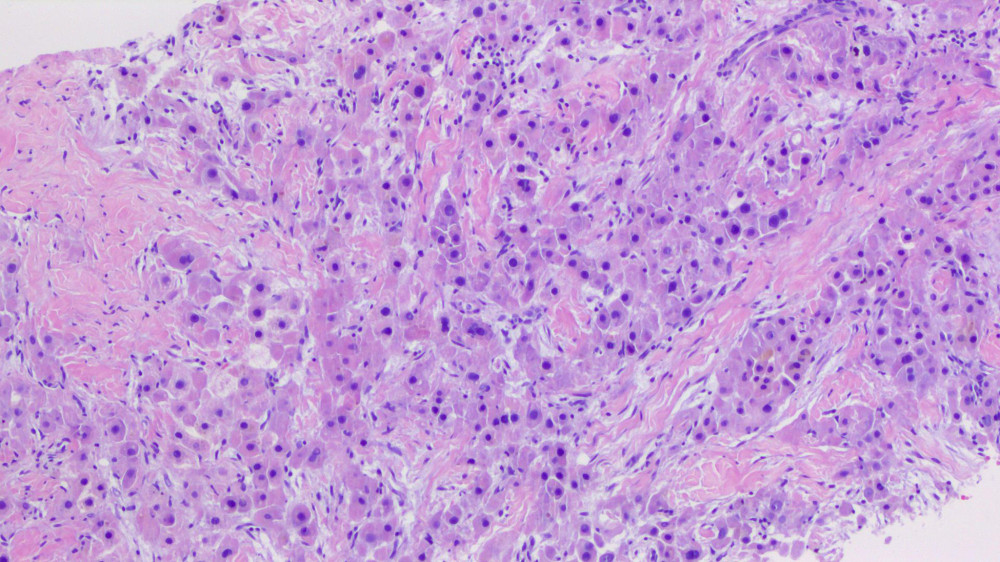 Figure 1. Biopsy from liver mass showing large pleomorphic neoplastic polygonal cells with abundant eosinophilic cytoplasm, nuclear inclusions, and prominent nucleoli arranged in nests and sheets, separated by collagenous fibrous bands characteristic of fibrolamellar hepatocellular carcinoma.
 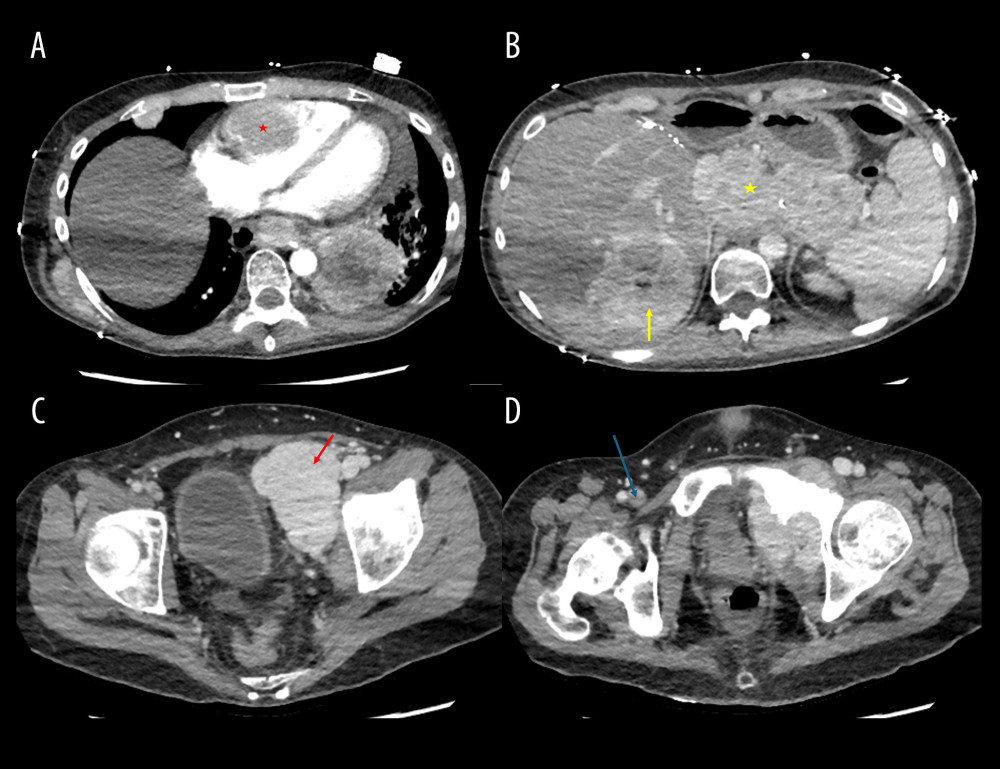 Figure 2. Contrast-enhanced computed tomography (CT) demonstrates widespread metastatic disease and thrombotic complications. Axial CT images show (A) a large intracardiac mass within the right ventricle (red star); (B) a 7.6 × 7.9 cm hepatic mass (yellow arrow) with additional intraperitoneal tumor deposits (yellow star); (C) a pelvic mass (red arrow); and (D) deep vein thrombosis in the right common femoral vein (blue arrow).
 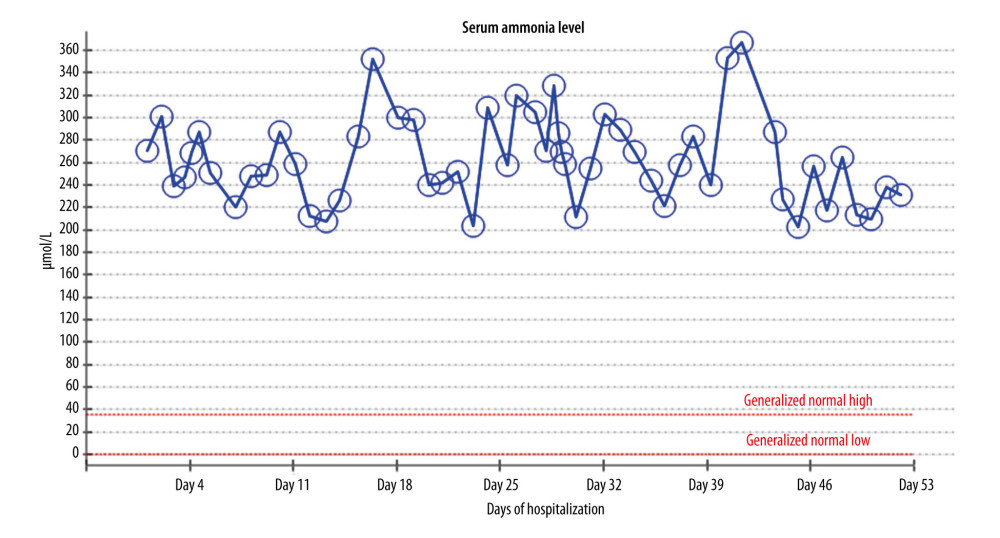 Figure 3. Trend of serum ammonia level over the course of hospitalization.
 References
1. Chapuy CI, Sahai I, Sharma R, Hyperammonemic encephalopathy associated with fibrolamellar hepatocellular carcinoma: Case report, literature review, and proposed treatment algorithm: Oncologist, 2016; 21(4); 514-20
2. El-Serag HB, Davila JA, Is fibrolamellar carcinoma different from hepatocellular carcinoma? A US population-based study: Hepatology, 2004; 39(3); 798-803
3. Edmondson HA, Differential diagnosis of tumors and tumor-like lesions of liver in infancy and childhood: AMA J Dis Child, 1956; 91(2); 168-86
4. Craig JR, Peters RL, Edmondson HA, Omata M, Fibrolamellar carcinoma of the liver: A tumor of adolescents and young adults with distinctive clinico-pathologic features: Cancer, 1980; 46(2); 372-79
5. Bosman FT, Carneiro F, Hruban RH, Theise ND: WHO Classification of tumours of the digestive system, 2010, Lyon, International Agency for Research on Cancer
6. Cho J, Chen JCY, Paludo J, Hyperammonemic encephalopathy in a patient with fibrolamellar hepatocellular carcinoma: Case report and literature review: J Gastrointest Oncol, 2019; 10(3); 582-88
7. O’Neill AF, Church AJ, Perez-Atayde AR, Fibrolamellar carcinoma: An entity all its own: Curr Probl Cancer, 2021; 45(4); 100770
8. Honeyman JN, Simon EP, Robine N, Detection of a recurrent DNAJB1-PRKACA chimeric transcript in fibrolamellar hepatocellular carcinoma: Science, 2014; 343(6174); 1010-14
9. Lafaro KJ, Pawlik TM, Fibrolamellar hepatocellular carcinoma: Current clinical perspectives: J Hepatocell Carcinoma, 2015; 2; 151-57
10. Glavas D, Bao QR, Scarpa M, Treatment and prognosis of fibrolamellar hepatocellular carcinoma: A systematic review of the recent literature and meta-analysis: J Gastrointest Surg, 2023; 27(4); 705-15
11. Hawkes ND, Thomas GA, Jurewicz A, Non-hepatic hyperammonaemia: An important, potentially reversible cause of encephalopathy: Postgrad Med J, 2001; 77(913); 717-22
12. Sulaiman RA, Geberhiwot T, Fibrolamellar hepatocellular carcinoma mimicking ornithine transcarbamylase deficiency: JIMD Rep, 2014; 16; 47-50
13. Davies SM, Szabo E, Wagner JE, Idiopathic hyperammonemia: A frequently lethal complication of bone marrow transplantation: Bone Marrow Transplant, 1996; 17(6); 1119-25
14. Liaw CC, Liaw SJ, Wang CH, Transient hyperammonemia related to chemotherapy with continuous infusion of high-dose 5-fluorouracil: Anticancer Drugs, 1993; 4(3); 311-15
15. Ahmed A, Ata F, Gaber M, Refractory hyperammonemic encephalopathy in fibrolamellar hepatocellular carcinoma, a case report and literature review: Curr Probl Cancer, 2022; 46(3); 100847
16. Kuo JC, Parakh S, Yip D, Regorafenib-induced hyperammonemic encephalopathy: J Clin Pharm Ther, 2014; 39(4); 446-48
17. Surjan RC, Dos Santos ES, Basseres T, A proposed physiopathological pathway to hyperammonemic encephalopathy in a non-cirrhotic patient with fibrolamellar hepatocellular carcinoma without ornithine transcarbamylase (OTC) mutation: Am J Case Rep, 2017; 18; 234-41
18. Levin SN, Tomasini MD, Knox J, Disruption of proteome by an oncogenic fusion kinase alters metabolism in fibrolamellar hepatocellular carcinoma: Sci Adv, 2023; 9(25); eadg7038
19. Zhang S, Hu Y, Wu Z, Deficiency of carbamoyl phosphate synthetase 1 engenders radioresistance in hepatocellular carcinoma via deubiquitinating c-Myc: Int J Radiat Oncol Biol Phys, 2023; 115(5); 1244-56
20. Lin CP, Liu CR, Lee CN, Targeting c-Myc as a novel approach for hepatocellular carcinoma: World J Hepatol, 2010; 2(1); 16-20
21. Bott AJ, Peng IC, Fan Y, Oncogenic Myc induces expression of glutamine synthetase through promoter demethylation: Cell Metab, 2015; 22(6); 1068-77
22. Mody K, Cleary S, Gores G, Computational extraction and analysis of de-identified medical records to characterize hyperammonemia in patients with fibrolamellar carcinoma (FLC) [abstract]: J Clin Oncol, 2022; 40(4 Suppl); 513
23. Willson KJ, Nott LM, Broadbridge VT, Price T, Hepatic encephalopathy associated with cancer or anticancer therapy: Gastrointest Cancer Res, 2013; 6(1); 11-16
24. Nott L, Price TJ, Pittman K, Hyperammonemia encephalopathy: An important cause of neurological deterioration following chemotherapy: Leuk Lymphoma, 2007; 48(9); 1702-11
25. Abou-Alfa GK, Mayer R, Venook AP, Phase II multicenter, open-label study of oral ENMD-2076 for the treatment of patients with advanced fibrolamellar carcinoma: Oncologist, 2020; 25(12); e1837-e45
26. Yokoyama Y, Estok TM, Wild R, Sirpiglenastat (DRP-104) induces antitumor efficacy through direct, broad antagonism of glutamine metabolism and stimulation of the innate and adaptive immune systems: Mol Cancer Ther, 2022; 21(10); 1561-72
27. Nakazawa M, Kamdar Z, Thomas A, Glutamine antagonist DRP-104 in combination with durvalumab in patients with advanced fibrolamellar carcinoma (FLC) following progression on prior anti-PD(L)1 therapy: J Clin Oncol, 2024; 42(3 Suppl); TPS573
28. Gouda MA, Voss MH, Tawbi H, A phase I/II study of the safety and efficacy of telaglenastat (CB-839) in combination with nivolumab in patients with metastatic melanoma, renal cell carcinoma, and non-small-cell lung cancer: ESMO Open, 2025; 10(5); 104536
29. El Dika I, Mayer RJ, Venook AP, A multicenter randomized three-arm phase II study of (1) everolimus, (2) estrogen deprivation therapy (EDT) with leuprolide + letrozole, and (3) everolimus + EDT in patients with unresectable fibrolamellar carcinoma: Oncologist, 2020; 25(11); 925-e1603
30. Koomoa DLT, Yco L, Borsics T, Ornithine decarboxylase inhibition by DFMO activates opposing signaling pathways via phosphorylation of both Akt/PKB and p27Kip1 in neuroblastoma: Cancer Res, 2008; 68(23); 9825-31
31. Chan JS, Harding CO, Blanke CD, Postchemotherapy hyperammonemic encephalopathy emulating ornithine transcarbamoylase (OTC) deficiency: South Med J, 2008; 101(5); 543-45
32. Sethi S, Tageja N, Singh J, Hyperammonemic encephalopathy: A rare presentation of fibrolamellar hepatocellular carcinoma: Am J Med Sci, 2009; 338(6); 522-24
33. Berger C, Dimant P, Hermida LHyperammonemic encephalopathy and fibrolamellar hepatocellular carcinoma: Medicina (B Aires), 2012; 72(5); 425-27 [in Spanish]
34. Hashash JG, Thudi K, Malik SM, An 18-year-old woman with a 15-cm liver mass and an ammonia level of 342: Gastroenterology, 2012; 143(5); 1157-2
35. Bender HU, Staudigl M, Schmid I, Führer M, Treatment of paraneoplastic hyperammonemia in fibrolamellar hepatocellular carcinoma with oral sodium phenylbutyrate: J Pain Symptom Manage, 2015; 49(6); e8-e10
36. Alsina AE, Franco E, Nakshabandi A, Successful liver transplantation for hyperammonemic fibrolamellar hepatocellular carcinoma: ACG Case Rep J, 2016; 3(4); e106
37. Bartlett AL, Leslie ND, Gupta A, Geller JI, Acquired ornithine transcarbamylase deficiency in pediatric and adolescent patients with fibrolamellar hepatocellular carcinoma: Pediatr Blood Cancer, 2018; 65(11); e27392
38. Suarez O, Perez M, Garzon M, Fibrolamellar hepatocellular carcinoma and noncirrhotic hyperammonemic encephalopathy: Case Reports Hepatol, 2018; 2018; 7521986
39. Thakral N, Simonetto DA, Hyperammonemic encephalopathy: An unusual presentation of fibrolamellar hepatocellular carcinoma: Clin Mol Hepatol, 2020; 26(1); 74-77
40. Lee JS, Jin HY, Ko JM, Hyperammonemic encephalopathy mimicking ornithine transcarbamylase deficiency in fibrolamellar hepatocellular carcinoma: Successful treatment with continuous venovenous hemofiltration and ammonia scavengers: Cancer Res Treat, 2021; 53(1); 283-88
41. Shah PA, Cho J, Albitar HAH, Hyperammonemic encephalopathy exacerbated by parenteral nutrition in fibrolamellar hepatocellular carcinoma: Am J Med, 2020; 133; e745-e46
42. Surjan RCT, Silveira SP, Pinheiro JLS, Acute onset hyperammonemic encephalopathy related to fibrolamellar carcinoma: Another one bites the dust: Am J Med Sci, 2020; 359(4); 242-44
Figures
Figure 1. Biopsy from liver mass showing large pleomorphic neoplastic polygonal cells with abundant eosinophilic cytoplasm, nuclear inclusions, and prominent nucleoli arranged in nests and sheets, separated by collagenous fibrous bands characteristic of fibrolamellar hepatocellular carcinoma.Figure 2. Contrast-enhanced computed tomography (CT) demonstrates widespread metastatic disease and thrombotic complications. Axial CT images show (A) a large intracardiac mass within the right ventricle (red star); (B) a 7.6 × 7.9 cm hepatic mass (yellow arrow) with additional intraperitoneal tumor deposits (yellow star); (C) a pelvic mass (red arrow); and (D) deep vein thrombosis in the right common femoral vein (blue arrow).Figure 3. Trend of serum ammonia level over the course of hospitalization. Tables
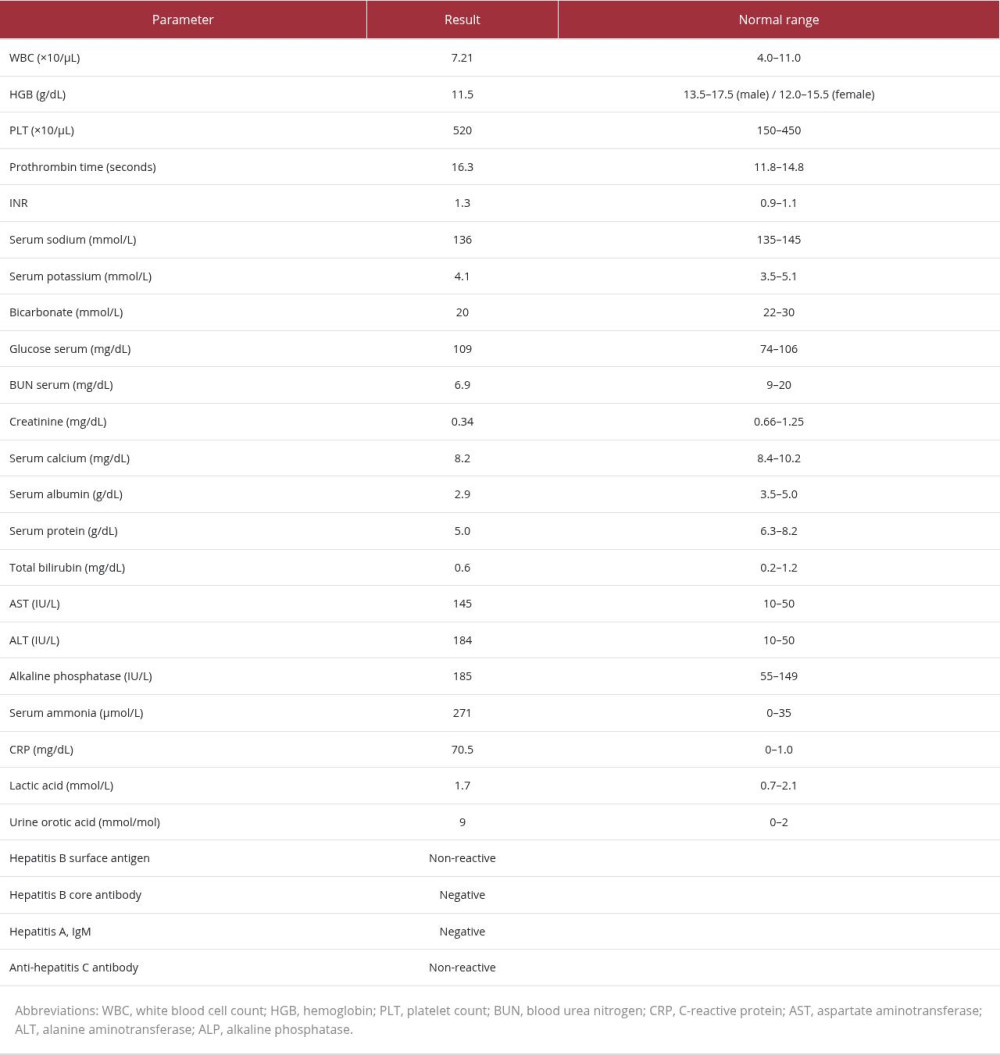 Table 1. Laboratory parameters at admission.
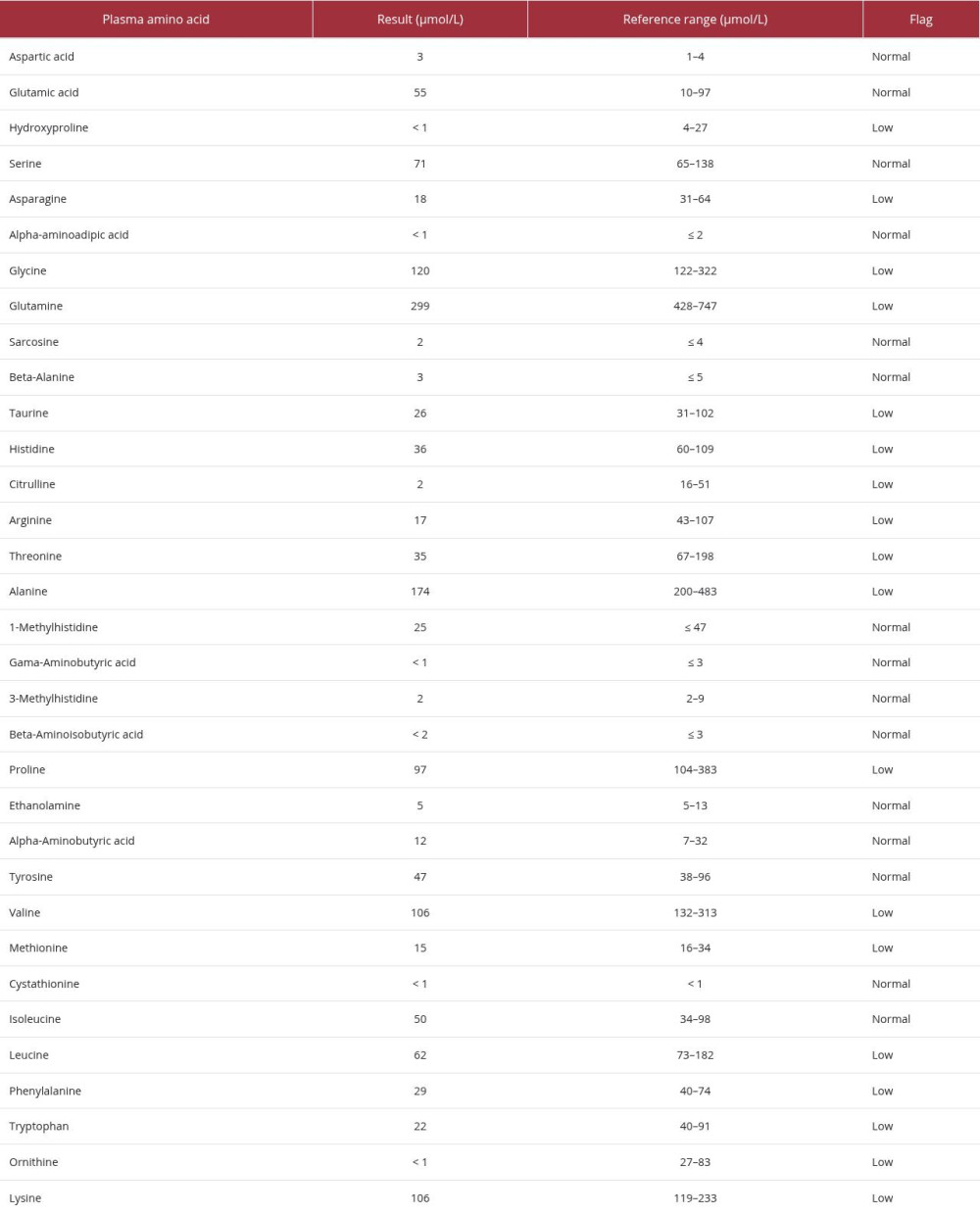 Table 2. Plasma amino acid levels.
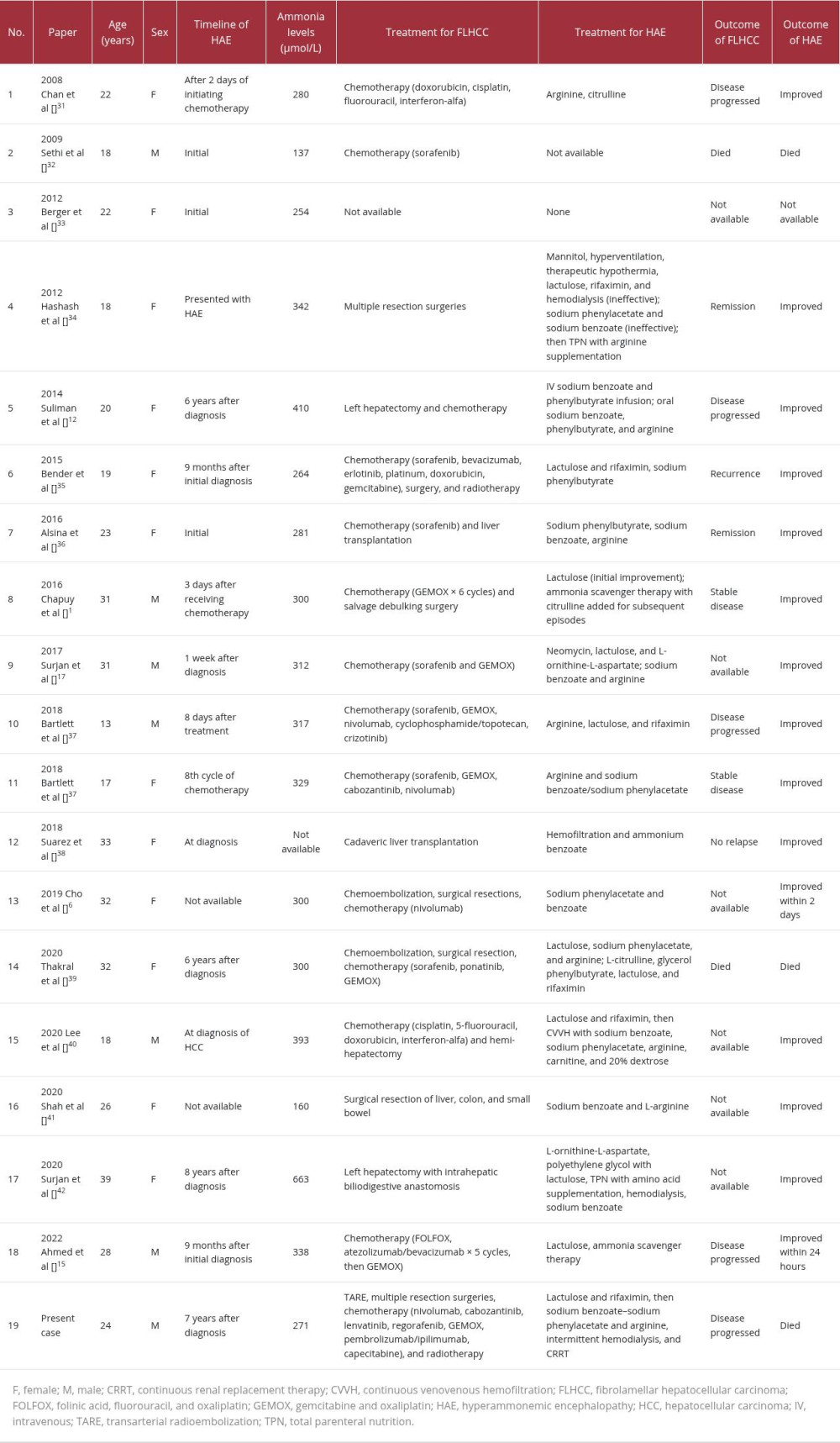 Table 3. Summary of cases of fibrolamellar hepatocellular carcinoma with hyperammonemic encephalopathy, treatment, and outcomes.Table 1. Laboratory parameters at admission.Table 2. Plasma amino acid levels.Table 3. Summary of cases of fibrolamellar hepatocellular carcinoma with hyperammonemic encephalopathy, treatment, and outcomes.
 In Press
Case report 
Am J Case Rep In Press; DOI: 10.12659/AJCR.953693
Case report 
Am J Case Rep In Press; DOI: 10.12659/AJCR.953248
Case report 
Am J Case Rep In Press; DOI: 10.12659/AJCR.953317
Case report 
Am J Case Rep In Press; DOI: 10.12659/AJCR.954643
Most Viewed Current Articles
07 Dec 2021 : Case report
28,712,123
DOI :10.12659/AJCR.934347
Am J Case Rep 2021; 22:e934347
06 Dec 2021 : Case report  180,469
DOI :10.12659/AJCR.934406
Am J Case Rep 2021; 22:e934406
21 Jun 2024 : Case report
124,204
DOI :10.12659/AJCR.944371
Am J Case Rep 2024; 25:e944371
08 May 2026 : Case report
94,836
DOI :10.12659/AJCR.952158
Am J Case Rep 2026; 27:e952158