


02 September 2026: Articles 
Co-Occurring EGFR L858R Mutation and HER2 Amplification in NSCLC Identified by Stepwise Molecular Profiling
Rare coexistence of disease or pathology
Rabiga Kadyrbayeva ABCDEFG 1,2*, Dilyara Kaidarova ADG 2, Aisha Moldasheva FG 1, Kaldygul Kabakovna Smagulova BF 1, Innara Turkpenova CD 1, Madina Orazgalieva DE 1, Saniya Omirkhanovna Ossikbayeva D 1, Elvira Satbayeva DE 3, Valeriy Makarov CD 4
DOI: 10.12659/AJCR.953829
Am J Case Rep 2026; 27:e953829


Abstract
BACKGROUND: The coexistence of multiple oncogenic drivers in non-small cell lung cancer (NSCLC) is a rare and diagnostically challenging molecular configuration. Conventional polymerase chain reaction (PCR)-based testing may fail to detect co-occurring genomic alterations, potentially limiting therapeutic options, particularly in resource-constrained settings.
CASE REPORT: We describe the case of a 54-year-old non-smoking woman diagnosed with Stage IIIA lung adenocarcinoma in 2020. Initial PCR-based molecular testing was negative for EGFR mutations. Following disease progression with brain metastases and severe chemotherapy toxicity, stepwise molecular profiling in a resource-limited setting identified HER2 (ERBB2) amplification via fluorescence in situ hybridization (FISH). The patient achieved 23 months of clinical and radiological stabilization on trastuzumab. Subsequent next-generation sequencing (NGS) analysis of archived tissue revealed a previously undetected estimated glomular filtration rate (EGFR) L858R mutation. In late April 2025, new lesions appeared in the lungs, indicating disease progression. Based on the previously verified EGFR L858R mutation, the treatment strategy was revised and gefitinib was initiated in May 2025.
CONCLUSIONS: This case illustrates that co-occurring EGFR and HER2 alterations can remain undetected following initial limited molecular testing, and that stepwise molecular profiling in a resource-constrained setting can facilitate identification of therapeutically actionable targets. The sequential clinical responses observed are consistent with the biological relevance of both alterations, although broader conclusions regarding diagnostic strategy or driver hierarchy cannot be drawn from a single observation.
Keywords: Molecular Diagnostic Techniques, tyrosine kinase inhibitors, Mutation, Case Reports, Kazakhstan
Introduction
Lung adenocarcinoma is the most common histological subtype of non-small cell lung cancer (NSCLC) and demonstrates marked molecular heterogeneity. Identification of clinically relevant driver alterations plays a central role in treatment selection and prognostic assessment [1,2]. Among the most common oncogenic drivers in NSCLC are EGFR mutations, particularly in never-smokers and Asian populations [3]. Alterations involving the ERBB2 (HER2) gene, including amplification and mutation, occur less frequently but are also regarded as potentially therapeutically relevant molecular events [4]. Importantly, these 2 types of HER2 alterations are biologically and therapeutically distinct: HER2 mutations, most commonly exon 20 insertions, function as classical oncogenic drivers and have demonstrated sensitivity to novel antibody-drug conjugates such as trastuzumab deruxtecan, whereas HER2 amplification represents gene copy number gain associated with more heterogeneous biological behavior and less predictable response to HER2-targeted therapies, including conventional anti-HER2 antibodies such as trastuzumab [5,6].
Coexisting EGFR mutations and HER2 amplification are a rare and clinically challenging molecular subset of NSCLC. Initial PCR-based molecular testing may fail to detect co-occurring genomic alterations, potentially limiting treatment options. Here, we describe a case in which co-occurring EGFR L858R mutation and HER2 amplification remained undetected following initial limited molecular testing, and in which stepwise molecular profiling in a resource-constrained setting facilitated identification of therapeutically actionable targets.
Case Report
SURGICAL INTERVENTION AND HISTOPATHOLOGY:
On October 21, 2020, an extended right upper lobectomy with systematic mediastinal lymph node dissection was performed. The early postoperative period was complicated by iatrogenic injury to the membranous portion of the trachea and the right main bronchus, which required immediate surgical correction.
Histological examination confirmed the diagnosis of moderately differentiated G2 adenocarcinoma with invasion into the visceral pleura. Tumor cells were detected at the bronchial resection margin (R1). Metastatic involvement was verified in 1 of 6 peribronchial and in 4 of 15 mediastinal lymph nodes (pN2). The immunohistochemical (IHC) profile was TTF-1 (+). Initial molecular testing by PCR and IHC revealed no mutations in the EGFR gene or ALK and ROS1 rearrangements; PD-L1 expression was < 1%.
ADJUVANT THERAPY AND PROGRESSION:
From November 2020 to April 2021, the patient underwent 6 cycles of adjuvant chemotherapy (paclitaxel + cisplatin). The treatment was associated with significant hematologic and non-hematologic toxicity. No adjuvant radiation therapy was administered.
In May 2022 (12 months after completion of the adjuvant phase), disease progression was documented. Contrast-enhanced brain MRI revealed multiple cerebral metastases. The patient underwent total brain radiation therapy (total dose 30 Gy). Subsequent systemic therapy (carboplatin + pemetrexed, October–December 2022) was discontinued after the 4th cycle due to the development of severe toxic reactions requiring intensive care support.
EXTENDED MOLECULAR PROFILING AND TARGETED THERAPY:
Given the aggressive course of the disease and the absence of targetable markers based on the results of the initial screening, there was a need for expanded genetic profiling. At this stage, the choice of diagnostic strategy was determined by the limited availability of comprehensive genomic profiling (CGP) and the lack of government coverage for broad NGS panels in Kazakhstan.
Under these circumstances, the treating oncologist adopted a stepwise testing strategy. In 2023, a targeted search for specific markers was performed. ERBB2 (HER2) Status: FISH analysis revealed ERBB2 gene amplification (copy number 4–5) in 30–40% of tumor cells. The analysis was performed with preliminary morphological verification of the invasion zone. Extended Markers: ROS1 rearrangements and KRAS mutations were additionally ruled out, and microsatellite-stable status (MSI-S) was confirmed.
Based on the detected HER2 amplification and the absence of other treatment options, the patient initiated trastuzumab therapy. From May 30, 2023, to April 2025 (23 months), clinical and radiological stabilization of the disease was observed.
THE DIAGNOSTIC TURNING POINT: NGS FINDINGS AND EGFR SWITCH:
In December 2024, while the patient continued to demonstrate a sustained clinical response to trastuzumab, targeted next-generation sequencing (NGS) was performed as part of a research program using an archived formalin-fixed paraffin-embedded (FFPE) tumor tissue specimen obtained during the initial surgical resection in October 2020. The analyses were performed on the Illumina MiSeq platform, and tumor cellularity was estimated at 80% to 90%, which was considered adequate for molecular testing. The molecular analysis identified a previously undetected activating EGFR L858R mutation, as well as rare RET variants (p.E623K and p.Q626* [p.Gln626Ter]) and a BRAF p.V600M mutation (variant allele frequency [VAF] approximately 5%). The available laboratory documentation did not report the VAF for the EGFR L858R mutation. Despite identification of the EGFR mutation, trastuzumab therapy was continued because the patient continued to derive clinical benefit. In late April 2025, new pulmonary lesions were detected, indicating disease progression. Based on the previously confirmed EGFR L858R mutation, the treatment strategy was revised, and gefitinib therapy was initiated in May 2025.
OUTCOME AND CURRENT STATUS:
During gefitinib therapy, a marked objective response was achieved, with complete regression of metastatic lesions in the lungs. As of April 2026, the patient continues treatment, with no active tumor lesions. Overall survival since diagnosis exceeds 5 years (66 months), which is an excellent outcome for this clinical subgroup. Summary data on disease progression, stages of molecular diagnosis, and treatment sequence are presented on a timeline (Figure 3).
Discussion
CO-OCCURRING EGFR AND HER2 ALTERATIONS: MOLECULAR CONTEXT:
According to current understanding, driver events such as EGFR mutations, ALK/ROS1 rearrangements, and alterations involving ERBB2, BRAF, and KRAS are generally considered mutually exclusive in NSCLC. This concept is consistent with the model of “oncogene addiction,” in which tumor cell survival predominantly depends on a single dominant signaling pathway [7,8]. However, broader implementation of NGS has led to increasing recognition of rare cases with co-occurring alterations. The frequency of such events has been estimated at approximately 1.7% in selected cohorts, confirming the rarity of this molecular profile while also demonstrating that such coexistence may occur in clinical practice [9].
ERBB2 mutations are detected in 2% to 4% of patients with NSCLC, primarily as insertions in exon 20, forming a distinct molecular subtype [10]. These mutations are generally characterized by mutual exclusivity with other drivers, such as EGFR or ALK [11]. HER2 amplification occurs with similar frequency (~ 2%–4%), predominantly in adenocarcinoma [12], and while associated with an aggressive tumor phenotype, its role as a predictive marker in NSCLC remains debated; unlike in breast cancer, the efficacy of anti-HER2 therapy in HER2-amplified lung tumors is often limited [11].
Although the combination of EGFR and ERBB2 alterations is rare (approximately 1%–2% of cases), this phenomenon poses a significant diagnostic and therapeutic challenge [13]. Such molecular profiles may reflect deep clonal heterogeneity of the tumor, arising either de novo or during tumor evolution under the selective pressure of prior therapy. In the present case, the prolonged response to trastuzumab (23 months) followed by a response to gefitinib is consistent with both drivers contributing to disease progression at different stages, although definitive conclusions regarding driver hierarchy cannot be drawn from a single observation. The presence of EGFR and ERBB2 co-alterations may modify sensitivity to targeted therapy, potentially contributing to heterogeneity in response; however, this hypothesis requires prospective validation [10,13].
MISSED ACTIONABLE ALTERATIONS AND LIMITATIONS OF PCR-BASED TESTING:
PCR-based methods for detecting EGFR mutations, despite their widespread use in routine oncology practice, have a number of inherent limitations that can lead to false-negative results. This is particularly relevant for samples with a low tumor cell fraction or fragmented DNA extracted from archived formalin-fixed paraffin-embedded (FFPE) material, the quality of which may be insufficient for adequate amplification [14]. One of the fundamental causes of diagnostic failure is the low VAF resulting from significant intratumoral heterogeneity. In the presence of minor subclonal populations, the analytical sensitivity of standard PCR test systems often falls below the detection threshold, potentially precluding the identification of driver alterations present at low levels in a given biopsy sample [15]. An additional risk factor is the targeted nature of PCR analysis. The method’s reliance on specific primers limits coverage of the genomic landscape, potentially leading to the omission of rare, complex, or atypical EGFR mutation variants. In selected studies, NGS has identified clinically significant mutations in up to 11% of cases classified as “wild-type” by traditional PCR approaches [16]. Unlike narrow-focus methods, NGS provides broader genomic coverage and greater analytical depth, enabling detection of mutations with low allelic frequencies, rare variants, and co-occurring alterations such as those described in this case [17]. However, this case does not allow for a direct comparative efficacy assessment between PCR and NGS platforms.
TREATMENT SEQUENCING IN A RESOURCE-CONSTRAINED SETTING:
The biological and clinical role of HER2 amplification in NSCLC remains unclear. Unlike activating HER2 mutations, which are recognized as classic oncogenic drivers with clear therapeutic relevance, gene amplification exhibits variable biological behavior and inconsistent correlation with protein expression and response to therapy [18,19]. HER2 amplification has also been recognized as a mechanism of acquired resistance to EGFR-targeted therapy, enabling tumor cells to circumvent EGFR inhibition through alternative signaling pathways [20,21]. Despite significant progress in the development of HER2-targeted strategies, selecting the optimal treatment algorithm for HER2-altered NSCLC remains a complex clinical challenge, especially outside controlled clinical trials [11]. Unlike insertions in exon 20 of HER2, for which the efficacy of modern antibody-drug conjugates (ADCs) has been demonstrated, the evidence base for isolated HER2 amplification remains limited and is based primarily on retrospective case series [22]. Nevertheless, published data suggest that some patients with HER2 amplification may achieve durable responses to targeted therapy [23].
In this case, the therapeutic strategy was determined not only by the molecular profile but also by drug availability and the patient’s prior toxicity history. At the time of therapy initiation, the EGFR mutation status was erroneously considered negative, making HER2 amplification the only verified therapeutic target; access to trastuzumab deruxtecan (T-DXd) was unavailable in Kazakhstan due to the absence of local registration and government reimbursement. Under these circumstances, the use of trastuzumab represented a pragmatic decision based on the principles of “best available therapy.” The achievement of disease control lasting 23 months is consistent with the potential clinical relevance of HER2 amplification as a therapeutic target, while acknowledging that generalizability cannot be inferred from a single observation.
LESSONS LEARNED AND BROADER IMPLICATIONS:
The identification of the EGFR L858R mutation in the same biological sample 4 years after the initial negative PCR result supports the interpretation that the driver mutation was likely present from the outset, remaining undetected due to the known limitations of PCR in the setting of low allelic load and intratumoral heterogeneity. Such discrepancies between PCR and NGS are well documented and pose a serious risk of false-negative results in routine practice [24,25]. The rare RET variants (p.E623K and p.Q626* [p.Gln626Ter]) and the BRAF p.V600M mutation, detected at a low variant allele frequency (~ 5%), are most likely subclonal passenger alterations rather than dominant oncogenic drivers [8,9]. Their low allelic burden, together with the absence of clinicopathologic features suggestive of RET- or BRAF-driven disease, supports this interpretation. Nevertheless, these alterations may reflect underlying intratumoral heterogeneity emerging under the selective pressure of prior therapies. Further functional validation would be required to clarify their biological significance in this tumor.
Of note is the rapid and deep response to gefitinib (complete regression) observed following prolonged anti-HER2 therapy. This clinical course is consistent with significant EGFR pathway dependence in this tumor, in line with the concept of “oncogene addiction,” and is consistent with the established efficacy of first-generation EGFR TKIs in EGFR-mutant lung adenocarcinoma demonstrated in the landmark IPASS trial [26]. This case further highlights how diagnostic accuracy and timeliness of treatment can be influenced by systemic factors within the healthcare infrastructure; reliance on methods with limited sensitivity in the absence of widespread NGS access may contribute to under-detection of therapeutically significant mutations and delays in optimal therapy initiation [27]. Expanding access to sensitive molecular diagnostic methods remains an important objective, both for improving individual patient outcomes and for addressing inequities in the quality of cancer care globally.
Conclusions
This case report describes a patient with NSCLC in whom co-occurring EGFR L858R mutation and HER2 amplification remained undetected following initial PCR-based testing, with the EGFR alteration identified only 4 years later through NGS performed on archived material. The sequential clinical responses to trastuzumab and subsequently to gefitinib are consistent with the biological relevance of both alterations at different stages of the disease, although conclusions regarding driver hierarchy or the relative contribution of each target cannot be drawn from a single observation.
These findings illustrate that in patients with an atypical clinical course or discordance between molecular results and disease behavior, revisiting molecular profiling through stepwise or expanded testing can reveal actionable targets. In resource-constrained settings where comprehensive genomic profiling is not routinely available, such a pragmatic sequential approach may still provide clinically meaningful guidance. Whether these observations have broader implications for diagnostic strategy or patient selection requires prospective evaluation.
Figures
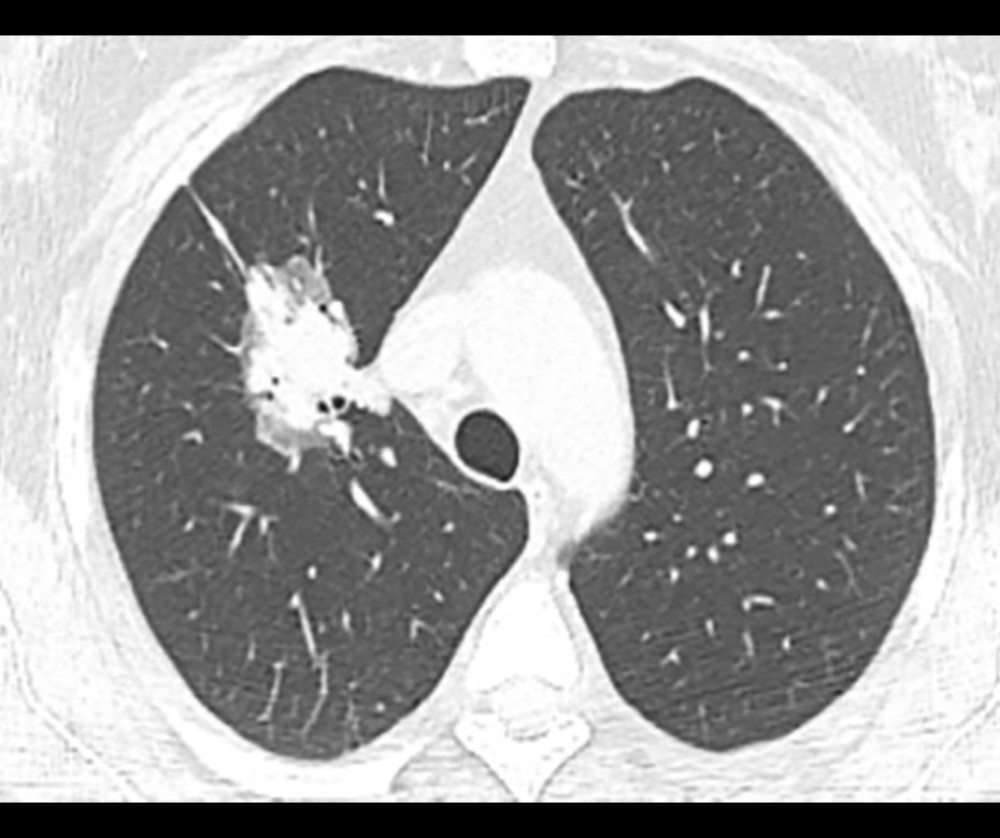 Figure 1. Initial chest computed tomography scan showing a mixed ground-glass and solid lesion in the right upper lobe.
 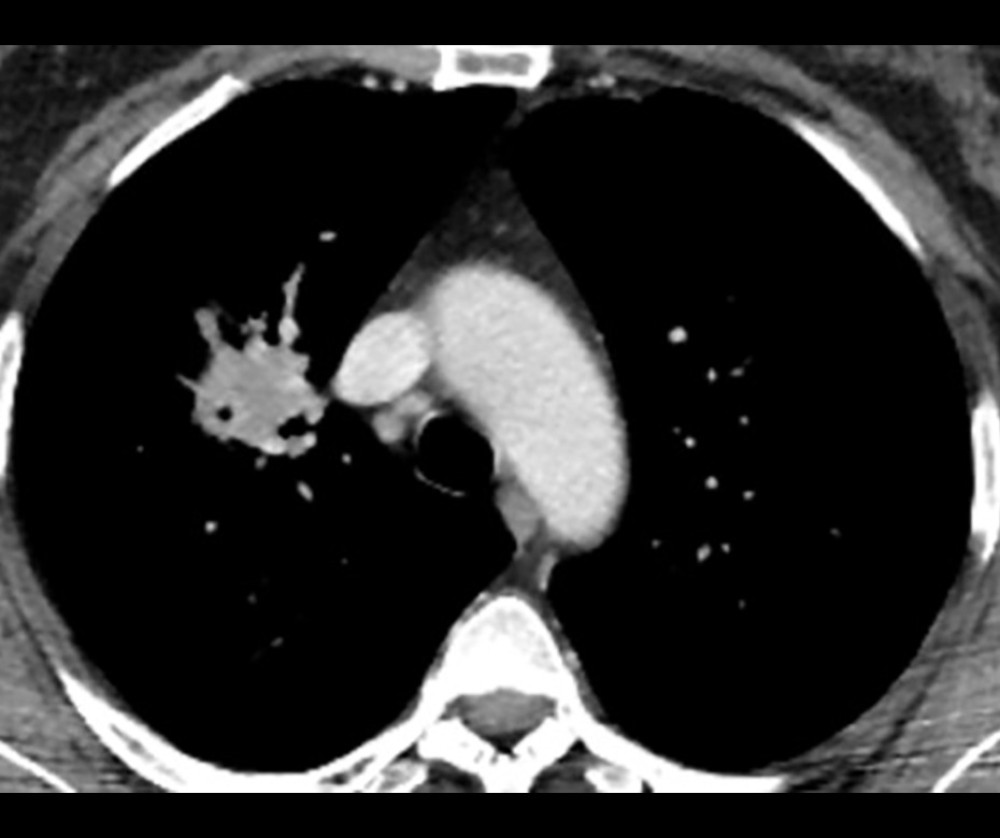 Figure 2. Contrast-enhanced chest computed tomography scan highlighting the solid component of the right upper-lobe lesion.
 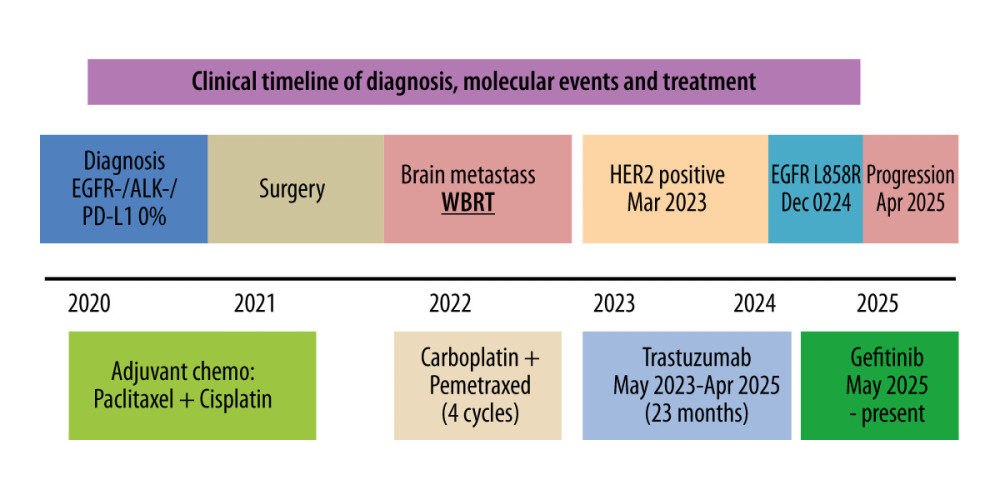 Figure 3. Timeline of clinical course, including key diagnostic milestones, molecular findings (polymerase chain reaction, fluorescent in situ hybridization, and next-generation sequencing), and treatment interventions.
 References
1. Hendriks LE, Kerr KM, Menis J, Oncogene-addicted metastatic non-small-cell lung cancer: ESMO Clinical Practice Guideline for diagnosis, treatment and follow-up: Ann Oncol, 2023; 34(4); 339-57
2. Suay G, Aparisi F, Juan-Vidal O, European Society of Medical Oncology (ESMO) guidelines for oncogene-addicted metastatic non-small cell lung cancer (NSCLC): A personalized treatment for each patient: Chin Clin Oncol, 2024; 13(3); 46
3. Tan AC, Tan DSW, Targeted therapies for lung cancer patients with oncogenic driver molecular alterations: J Clin Oncol, 2022; 40(6); 611-25
4. Nagasaka M, The Effects of HER2 alterations in EGFR mutant non-small cell lung cancer: Clin Lung Cancer, 2022; 23(1); 52-59
5. Loeffler E, Ancel J, Dalstein V, HER2 alterations in non-small cell lung cancer: Biologico-clinical consequences and interest in therapeutic strategies: Life (Basel), 2024; 14(1); 64
6. Li BT, Ross DS, Aisner DL, HER2 amplification and HER2 mutation are distinct molecular targets in lung cancers: J Thorac Oncol, 2016; 11; 414-19
7. Kris MG, Johnson BE, Berry LD, Using multiplexed assays of oncogenic drivers in lung cancers to select targeted drugs: JAMA, 2014; 311(19); 1998-2006
8. Cancer Genome Atlas Research Network, Comprehensive molecular profiling of lung adenocarcinoma: Nature, 2014; 511(7511); 543-50
9. Attili I, Asnaghi R, Vacirca D, Co-occurring driver genomic alterations in advanced non-small-cell lung cancer (NSCLC): A retrospective analysis: J Clin Med, 2024; 13; 4476
10. Yu Y, Yang Y, Li H, Targeting HER2 alterations in non-small cell lung cancer: Therapeutic breakthrough and challenges: Cancer Treat Rev, 2023; 114; 102520
11. Ismail A, Desai A, Boumber Y, HER2 alterations in non-small cell lung cancer (NSCLC): From biology and testing to advances in treatment modalities: Front Oncol, 2025; 15; 1624124
12. Ferrari G, Del Rio B, Novello S, HER2-altered non-small cell lung cancer: A journey from current approaches to emerging strategies: Cancers (Basel), 2024; 16; 2018
13. Zhao Y, Wang S, Yang Z, Co-occurring potentially actionable oncogenic drivers in non-small cell lung cancer: Front Oncol, 2021; 11; 665484
14. Colling R, Bancroft H, Langman G, Fully automated real-time PCR for EGFR testing in non-small cell lung carcinoma: Virchows Arch, 2019; 474(2); 187-92
15. Behnke A, Cayre A, De Maglio G, FACILITATE: A real-world, multicenter, prospective study investigating the utility of a rapid, fully automated realtime PCR assay versus local reference methods for detecting epidermal growth factor receptor variants in NSCLC: Pathol Oncol Res, 2023; 29; 1610707
16. Shen CI, Chiang CL, Shiao TH, Real-world evidence of the intrinsic limitations of PCR-based EGFR mutation assay in non-small cell lung cancer: Sci Rep, 2022; 12; 13566
17. Molina MDSG, Guerron-Gomez G, Vargas MP, The NGS and PCR-based detection of EGFR mutations in liquid biopsy: a systematic review and meta-analysis compared with tissue biopsy in treatment-naïve patients with non-small cell lung cancer: Cancer Diagn Progn, 2026; 6(1); 12-23
18. Li BT, Shen R, Offin M, Targeting HER2 alterations in non–small-cell lung cancer: A review of the landscape and emerging therapies: JCO Precis Oncol, 2019; 3; 1-12
19. Peters S, Stahel R, Bubendorf L, Trastuzumab emtansine (T-DM1) in patients with previously treated HER2-overexpressing metastatic non-small cell lung cancer: Efficacy, safety, and biomarkers: Clin Cancer Res, 2019; 25(1); 64-72
20. Takezawa K, Pirazzoli V, Arcila ME, HER2 amplification: A potential mechanism of acquired resistance to EGFR inhibition in EGFR-mutant lung cancers: Nat Med, 2012; 18(12); 1730-34
21. Yu HA, Arcila ME, Rekhtman N, Analysis of tumor specimens at the time of acquired resistance to EGFR-TKI therapy in 155 patients with EGFR-mutant lung cancers: Clin Cancer Res, 2013; 19(8); 2240-47
22. Pitiyarachchi O, Tan AC, Trastuzumab deruxtecan in HER2 overexpressing non-small cell lung cancer (NSCLC): Transl Lung Cancer Res, 2025; 14(2); 314-22
23. Yun KM, Bazhenova L, Metastatic HER2-amplified non-small-cell lung cancer treated with trastuzumab deruxtecan: BMJ Case Rep, 2023; 16(5); e253260
24. Lindeman NI, Cagle PT, Aisner DL, Updated molecular testing guideline for the selection of lung cancer patients for treatment with targeted tyrosine kinase inhibitors: J Thorac Oncol, 2018; 13(3); 323-58
25. Jennings LJ, Arcila ME, Corless C, Guidelines for validation of next-generation sequencing–based oncology panels: A joint consensus recommendation of the Association for Molecular Pathology and College of American Pathologists: J Mol Diagn, 2017; 19(3); 341-65
26. Mok TS, Wu YL, Thongprasert S, Gefitinib or carboplatin–paclitaxel in pulmonary adenocarcinoma: N Engl J Med, 2009; 361; 947-57
27. Kadyrbayeva R, Kaidarova D, Shatkovskaya O, EGFR T790M mutation detection in NSCLC patients resistant to tyrosine kinase inhibitor therapy: Panminerva Med, 2024; 66; 1-8
Figures
Figure 1. Initial chest computed tomography scan showing a mixed ground-glass and solid lesion in the right upper lobe.Figure 2. Contrast-enhanced chest computed tomography scan highlighting the solid component of the right upper-lobe lesion.Figure 3. Timeline of clinical course, including key diagnostic milestones, molecular findings (polymerase chain reaction, fluorescent in situ hybridization, and next-generation sequencing), and treatment interventions. In Press
Case report 
Am J Case Rep In Press; DOI: 10.12659/AJCR.953693
Case report
Am J Case Rep In Press; DOI: 10.12659/AJCR.953248
Case report 
Am J Case Rep In Press; DOI: 10.12659/AJCR.953317
Case report 
Am J Case Rep In Press; DOI: 10.12659/AJCR.954643
Most Viewed Current Articles
07 Dec 2021 : Case report  28,712,123
DOI :10.12659/AJCR.934347
Am J Case Rep 2021; 22:e934347
06 Dec 2021 : Case report  180,469
DOI :10.12659/AJCR.934406
Am J Case Rep 2021; 22:e934406
21 Jun 2024 : Case report
124,204
DOI :10.12659/AJCR.944371
Am J Case Rep 2024; 25:e944371
08 May 2026 : Case report
94,836
DOI :10.12659/AJCR.952158
Am J Case Rep 2026; 27:e952158